Warm Brutalism: The Contemporary Evolution of a Radical Architectural Language
Author
Published on
Niccolò Lissoni | niccolissoni
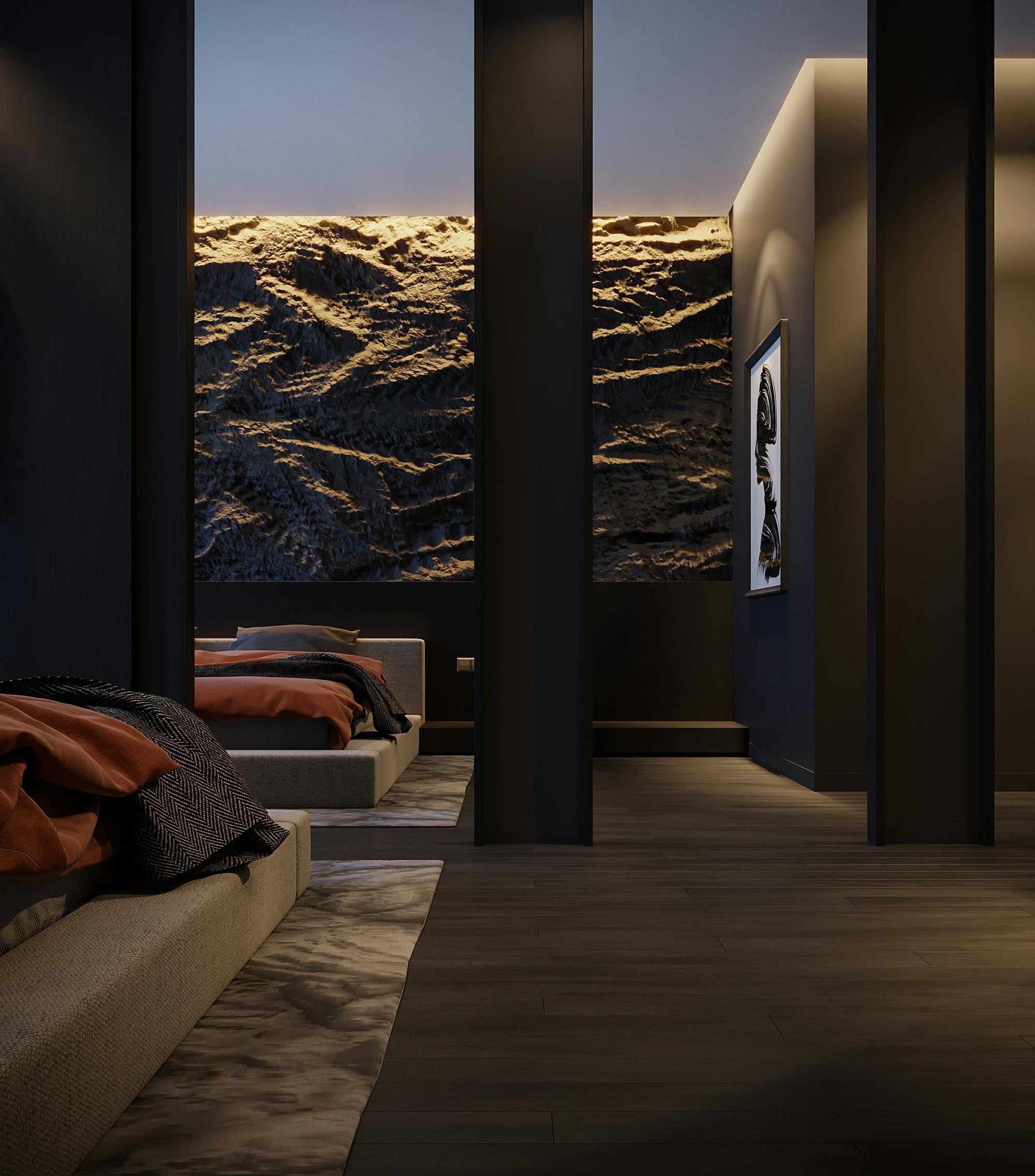
Architecture evolves through reinterpretation. Movements once perceived as radical, severe, or controversial often return in renewed form, reframed by changing cultural sensibilities and technological possibilities. In recent years, warm brutalism has emerged as one of the most intriguing reinterpretations within contemporary architecture and interior design. This aesthetic language retains the structural clarity and material honesty of brutalist architecture while introducing a carefully balanced sense of warmth, tactility, and human scale. Rather than rejecting the raw qualities of concrete, warm brutalism reframes them through natural materials, refined craftsmanship, and a deeper sensitivity to spatial experience. The result is an architectural vocabulary capable of reconciling strength and intimacy, monumentality and comfort.
Understanding the Origins of Brutalism
To fully appreciate warm brutalism, it is essential to revisit the origins of the movement that emerged in the mid-20th century as architects sought a language that could embody honesty, structural clarity, and social purpose.
The Philosophy Behind Brutalist Architecture
The term itself derives from the French expression béton brut, meaning “raw concrete”, popularized by the Swiss-French architect Le Corbusier. Rather than concealing construction techniques behind decorative finishes, brutalist architecture exposed them.
Structural elements, surfaces, and materials were presented with uncompromising directness.
Buildings often featured:
exposed reinforced concrete
powerful geometric volumes
repetitive structural rhythms
minimal decorative treatment
strong sculptural presence
Architects such as Alison and Peter Smithson further developed the movement, advocating an architecture that expressed social transparency and structural authenticity. Yet, despite its intellectual rigor, brutalism became controversial; many buildings were perceived as austere, imposing, or emotionally distant.
The Emergence of Warm Brutalism
Warm brutalism can be understood as a contemporary reinterpretation rather than a stylistic contradiction. Instead of abandoning brutalist principles, designers have sought to humanize them. Concrete remains present—often prominently so—but it is carefully balanced with materials capable of introducing visual and tactile warmth. Wood, natural stone, textiles, and handcrafted elements soften the severity traditionally associated with brutalist spaces.
This evolution reflects broader changes in contemporary design culture.
Modern architecture increasingly seeks equilibrium between material authenticity and emotional comfort, between structural clarity and the sensory richness of lived environments.
Materiality: The Dialogue Between Concrete and Nature
One of the defining characteristics of warm brutalism lies in its sophisticated approach to material combinations.
Concrete as a Structural Canvas
Concrete remains central to the aesthetic. Walls, ceilings, and structural elements are often left exposed, revealing the imprint of formwork and the subtle irregularities that define handcrafted construction processes. Rather than appearing cold or industrial, these surfaces become a neutral architectural canvas upon which other materials can unfold.
The Role of Natural Materials
Warm brutalism achieves its distinctive character through a deliberate introduction of natural textures:
solid wood panels and bespoke furnishings in oak or walnut
natural stone surfaces with rich, tactile veining
linen and wool textiles
handcrafted ceramics and leather upholstery
These materials establish a dialogue between the mineral solidity of concrete and the organic warmth of natural resources. The resulting spaces convey both permanence and comfort.
Light as a Design Instrument
Light plays a crucial role in transforming brutalist architecture into its warmer counterpart. Large windows, skylights, and internal courtyards allow natural light to interact dynamically with concrete surfaces. As sunlight moves throughout the day, it reveals subtle tonal variations and textures within the material. This careful orchestration of light softens the perceived weight of structures, transforming them into environments that feel contemplative rather than oppressive.
Warm Brutalism in Contemporary Interior Design
While brutalism historically expressed itself through monumental public buildings, warm brutalism has found a particularly fertile ground in residential interiors, hospitality spaces, and high-end architectural projects. Here, the integration of bespoke FF&E becomes the vital bridge between structure and soul.
Interior designers often adopt several recurring strategies:
monolithic kitchen islands in concrete or microcement
integrated architectural furniture carved into walls
recessed lighting emphasizing sculptural volumes
minimalist furniture in solid wood to provide organic contrast
The result is an environment where architecture, furniture, and materiality form a cohesive spatial narrative—a quality increasingly valued in contemporary luxury interiors.
The Influence of Contemporary Architects
Several contemporary masters have explored approaches closely aligned with these principles. The Japanese architect Tadao Ando demonstrates an extraordinary mastery of exposed concrete combined with light and spatial serenity. Similarly, designers such as John Pawson and Vincent Van Duysen have developed architectural languages where raw materials coexist with refined minimalism and exceptional attention to craftsmanship.
Why Warm Brutalism Resonates Today
The growing popularity of warm brutalism reflects deeper cultural shifts.
Contemporary audiences increasingly seek environments that combine structural authenticity, sensory richness, and timeless character. In contrast to overly decorative interiors or purely minimal spaces, warm brutalism offers a balanced aesthetic rooted in material truth.
Its appeal also lies in its compatibility with modern values: an appreciation for natural materials, an interest in artisanal craftsmanship, and a preference for enduring architectural forms. In this sense, warm brutalism does not merely represent a stylistic trend; it embodies a broader movement toward architecture that feels both grounded and humane.
A Language of Strength and Sensitivity
Warm brutalism ultimately demonstrates how architectural languages can evolve without losing their foundational principles. What was once perceived as harsh or severe becomes, through thoughtful reinterpretation, a vehicle for serenity, refinement, and spatial depth.By integrating raw structural materials with the warmth of craftsmanship and natural textures, it offers a powerful reminder that architecture’s greatest strength often lies in the delicate balance between rigor and humanity.
YOU MAY ALSO WANT TO READ
Culture
Apr 20, 2026
Luxury Across Markets: How Cultural Context Redefines the Meaning of Luxury
An analysis of how luxury is interpreted across China, Europe, and the United States, and why cultural context is essential for high-end design, procurement, and international market positioning.
Design
Apr 19, 2026
Beyond the Visual: The Strategic Role of Scent in High-End Interior Design
An exploration of scent as a strategic design tool in high-end interiors, examining how olfactory elements shape identity, perception, and experience beyond the visual dimension.