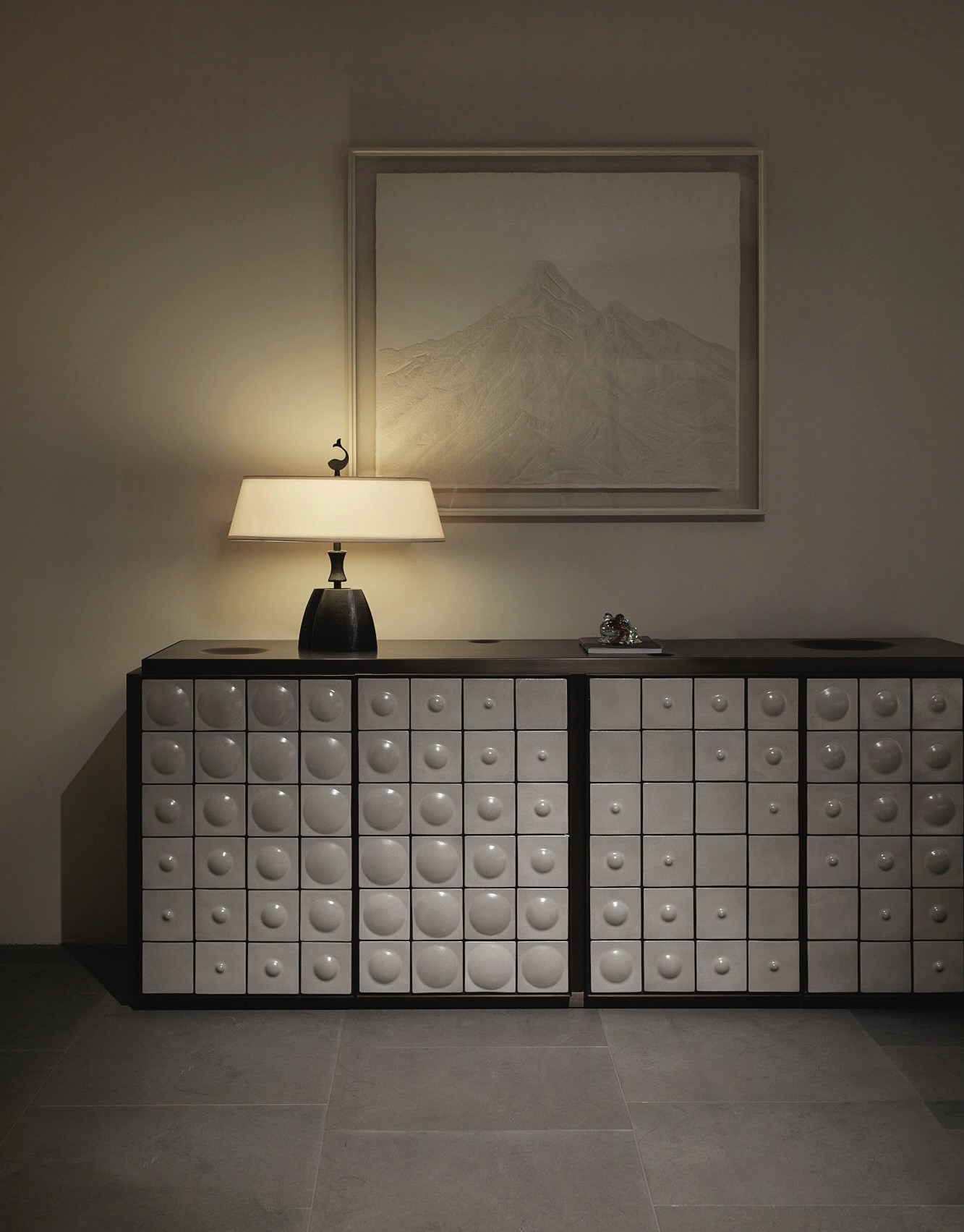
© Promemoria
The Architecture of Restraint: Sustainable Minimalism as a New Paradigm of Luxury
Author
Published on
Niccolò Lissoni | niccolissoni
In recent years, the concept of sustainable minimalism has gradually emerged as a thoughtful response to two defining tendencies of contemporary society: the excesses of consumer culture and the growing urgency of environmental responsibility.
Far from representing a mere aesthetic preference for simplicity, sustainable minimalism proposes a broader cultural shift—one that encourages individuals and organizations to reconsider the relationship between value, consumption, and longevity. At its core, this philosophy advocates a restrained and conscious approach to material life. It suggests that living—and designing—with fewer, better-chosen objects may not only enhance clarity and elegance, but also contribute to a more responsible and enduring relationship with resources.
Understanding Sustainable Minimalism: A Convergence of Philosophies
Sustainable minimalism arises from the intersection of two distinct yet complementary principles. Minimalism, in its contemporary lifestyle interpretation, promotes the intentional reduction of unnecessary possessions and distractions. Sustainability, on the other hand, emphasizes the responsible use of resources and the minimization of environmental impact.
When these perspectives converge, the result is a philosophy centered not on deprivation but on intentionality: the conscious selection of objects, materials, and experiences that offer lasting value while minimizing waste.
In this sense, sustainable minimalism is less about owning less for its own sake, and more about cultivating a thoughtful relationship with what we choose to keep.
From Artistic Movement to Lifestyle Philosophy
Minimalism first gained prominence during the twentieth century as an artistic and architectural movement characterized by reduction, clarity of form, and essentiality. Architects and designers associated with this aesthetic explored the idea that beauty could arise from restraint rather than excess.
Over time, these principles migrated beyond the realm of art and design into everyday life. What began as a formal language gradually evolved into a broader philosophy advocating simplicity and a reconsideration of material accumulation. Today, sustainable minimalism represents a further evolution of this trajectory—one that integrates aesthetic clarity with environmental awareness.
Core Principles of Sustainable Minimalism
Intentional Consumption and the Power of Choice
The most fundamental principle of sustainable minimalism lies in the reconsideration of consumption itself. Rather than approaching purchasing as a habitual act, this philosophy invites a pause, a moment of reflection before acquiring new objects. Questions such as "Do I truly need this?" or "Will this item retain value over time?" become central to decision-making. This shift from impulse to intention represents one of the most powerful ways to reduce environmental impact.
Durability over Disposability
A second guiding principle concerns longevity. Objects designed for durability inevitably reduce the frequency with which replacements are required, thereby minimizing waste and resource consumption. In many ways, this concept aligns with the traditions of authentic craftsmanship where products are conceived not as temporary solutions but as enduring companions.
Quality, in this context, is the ultimate sustainable value. Fewer objects, carefully chosen and built to last, often prove more sustainable than numerous inexpensive alternatives.
This perspective redefines luxury itself: true refinement lies not in abundance, but in precision, integrity, and permanence.
Sustainable Minimalism in High-End Interior Design
Within interior design, sustainable minimalism translates into spaces characterized by clarity, balance, and thoughtful material selection. Rather than filling rooms with decorative elements, the emphasis shifts toward a limited number of pieces that serve both aesthetic and functional purposes.
Materials and the Value of Timeless Design
Material selection becomes particularly significant within this framework.
Natural materials such as wood, stone, linen, and metal often play a central role, not only for their aesthetic qualities but also for their durability and repairability.
One of the most effective ways to reduce waste within interior environments is to embrace timeless design principles. Styles that avoid short-lived trends tend to remain relevant for decades. In this sense, timelessness itself becomes a form of sustainability.
Redefining Luxury: Time, Space, and Clarity
Sustainable minimalism invites a deeper reconsideration of luxury. In a world often defined by speed and excess, restraint can itself become a mark of sophistication.
Luxury, in this perspective, is expressed through exceptional craftsmanship, durable materials, and a sense of permanence. The emphasis shifts from accumulation to meaningful ownership.
Living with fewer, carefully chosen objects can also produce intangible benefits.
Spaces become calmer, more legible, and more aligned with their intended function.
The philosophy thus extends beyond environmental considerations to encompass a broader search for clarity and equilibrium.
A Philosophy of Thoughtful Restraint
Ultimately, sustainable minimalism does not advocate austerity. Instead, it proposes a more deliberate relationship with the material world—one grounded in responsibility, discernment, and appreciation for lasting quality.
By reducing excess and privileging durability, this philosophy aligns aesthetic clarity with environmental consciousness. It suggests that elegance and sustainability are not opposing values but complementary ones. In this quiet convergence lies the enduring appeal of sustainable minimalism: a refined balance between beauty, purpose, and responsibility.
YOU MAY ALSO WANT TO READ
Culture
Apr 20, 2026
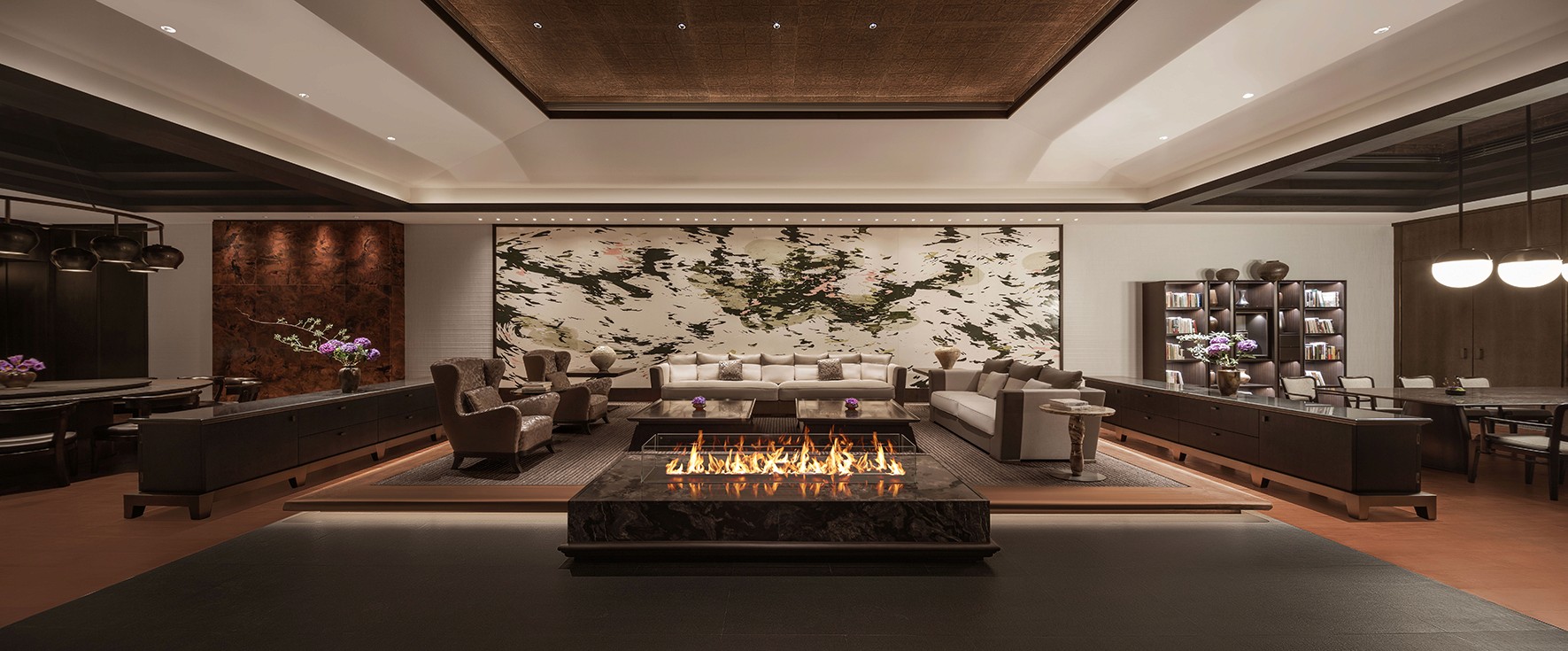
Luxury Across Markets: How Cultural Context Redefines the Meaning of Luxury
An analysis of how luxury is interpreted across China, Europe, and the United States, and why cultural context is essential for high-end design, procurement, and international market positioning.
Design
Apr 19, 2026
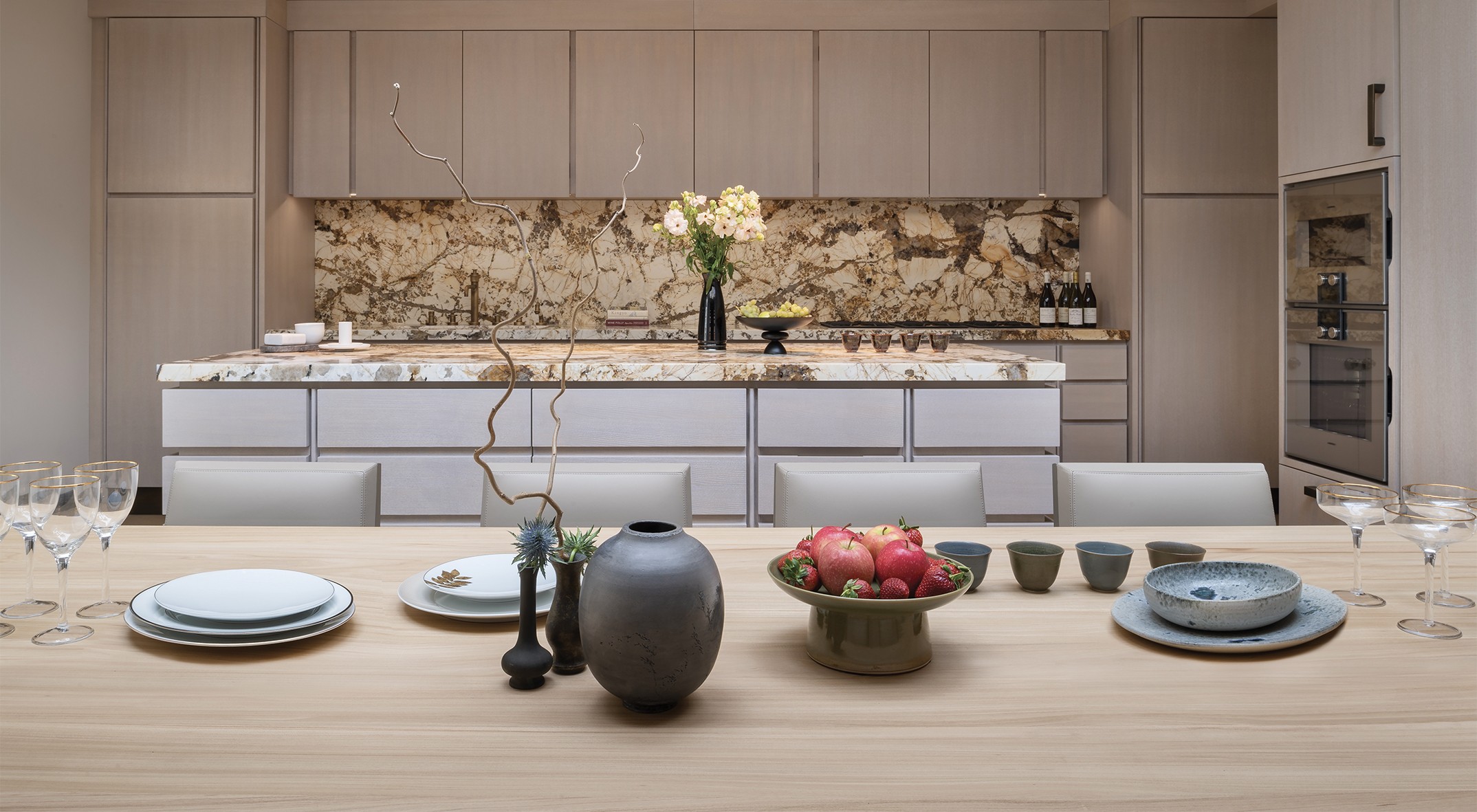
Beyond the Visual: The Strategic Role of Scent in High-End Interior Design
An exploration of scent as a strategic design tool in high-end interiors, examining how olfactory elements shape identity, perception, and experience beyond the visual dimension.