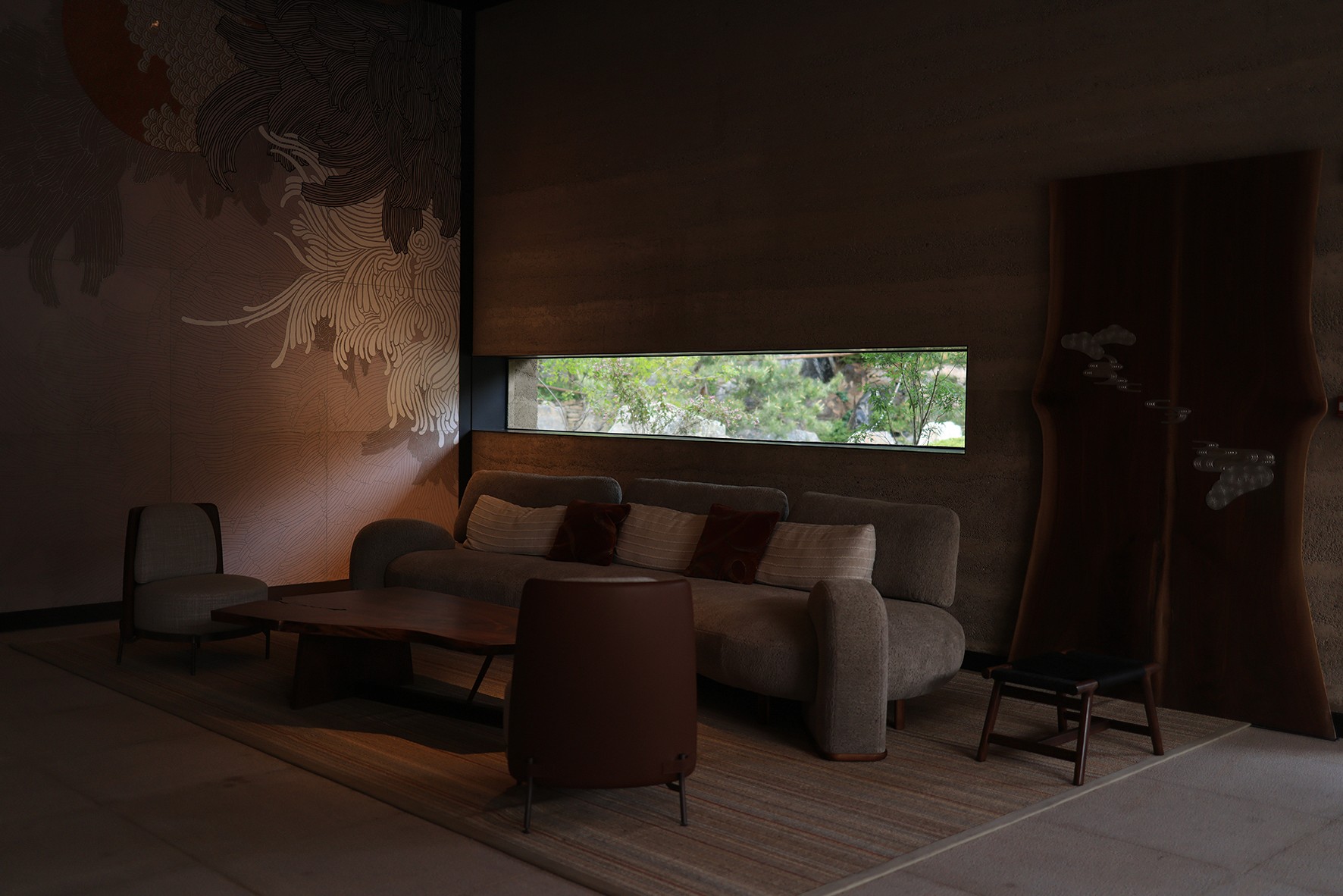
© Promemoria
Material Intelligence: The Convergence of Warm Brutalism and Sustainable Minimalism
Author
Published on
Niccolò Lissoni | niccolissoni
In recent years, certain contemporary interiors appear to combine two seemingly distinct sensibilities: the tactile material presence often associated with brutalist architecture and the restrained clarity characteristic of minimalist design. Within the vocabulary of design criticism, these tendencies are sometimes described as “warm brutalism” and “sustainable minimalism.” Although the two expressions may occasionally converge in contemporary projects, they originate from very different historical and conceptual frameworks. Understanding their differences—and the reasons why they sometimes intersect in present-day interiors—offers valuable insight into the evolving language of architecture and design.
The Historical Roots of Brutalism
Brutalism emerged in the mid-twentieth century within the broader trajectory of modernist architecture. The term itself derives from the French expression béton brut—raw concrete—used to describe surfaces intentionally left unfinished.
Architects associated with this movement sought to emphasize structural honesty and material authenticity. Concrete was frequently exposed rather than concealed, allowing buildings to communicate their construction openly. The resulting architecture often conveyed a sense of monumentality and permanence. Despite the sometimes austere appearance of many brutalist buildings, the original discourse was less concerned with aesthetics alone than with ethics in construction and clarity of structure.
What Is Meant by “Warm Brutalism”?
The expression warm brutalism is a relatively recent interpretive term rather than a historically codified movement. It is typically used to describe interiors that retain the material vocabulary of brutalism—such as exposed concrete, stone, or robust structural expression—while softening the overall atmosphere through carefully chosen elements.
Materials and Atmosphere
Projects often incorporate:
natural woods
warm, directional lighting
textiles and soft surfaces
vegetation and organic textures
These additions introduce a sense of human scale and tactile comfort, transforming what might otherwise appear severe into spaces that feel welcoming and inhabitable.
Rather than representing a revival of brutalism in its original ideological sense, warm brutalism reflects a contemporary reinterpretation of its material language.
Sustainable Minimalism in Contemporary Design
If brutalism emerged in the post-war modernist period, sustainable minimalism belongs primarily to the architectural discourse of the late twentieth and early twenty-first centuries. This approach draws simultaneously from minimalist design principles and from the growing emphasis on environmental responsibility.
The Principle of Reduction
Minimalist design traditionally favors:
simplicity of form;
clarity of spatial organization;
the elimination of unnecessary elements.
When these principles are combined with environmental awareness, the result is a design philosophy that values efficiency, longevity, and responsible material choices.
Material and Environmental Considerations
Sustainable minimalism often prioritizes natural materials, durable construction, and reduced energy consumption. In this context, aesthetic restraint becomes aligned with environmental prudence, allowing architecture to achieve both conceptual clarity and ecological responsibility.
Why the Two Aesthetics Sometimes Appear Together
Although warm brutalism and sustainable minimalism arise from different intellectual traditions, several factors contribute to their occasional convergence in high-end practice.
Material Authenticity
Both approaches tend to value materials that are allowed to express their intrinsic qualities. Concrete, stone, wood, and metal may appear without excessive surface treatment. In both cases, this choice reflects a preference for honest material expression, even though the philosophical motivations may differ.
Longevity and Durability
Another shared consideration lies in the importance of durable architecture.
Robust structural materials—historically associated with brutalism—are reinterpreted within present-day frameworks that emphasize lifecycle performance. A building designed to endure is inherently more sustainable.
Contemporary Interior Culture
In high-end residential and hospitality interiors, designers frequently pursue spaces that balance material richness with visual calm. The sculptural weight of stone or concrete may coexist with restrained spatial compositions. In such cases, the result is a pragmatic design dialogue shaped by contemporary taste and a shared material sensibility.
Distinct Traditions, Occasional Convergences
It remains important to recognize that warm brutalism and sustainable minimalism are not historically linked schools of architecture. Brutalism developed within a modernist search for structural truth, while sustainable minimalism reflects a later period where environmental awareness became central.
When elements of the two appear together today, they do so as the result of contemporary reinterpretation and design experimentation.
The Role of Material Intelligence in Contemporary Interiors
For professionals engaged in high-end architecture and FF&E procurement, the dialogue between these two tendencies highlights a broader theme: the increasing importance of material intelligence.
Selecting the appropriate materials—and understanding how they perform, age, and interact within a space—has become central to creating interiors that are both refined and enduring. In this respect, the most compelling contemporary projects do not simply imitate stylistic trends. Instead, they seek a thoughtful balance between aesthetic clarity, material authenticity, and long-term quality.
YOU MAY ALSO WANT TO READ
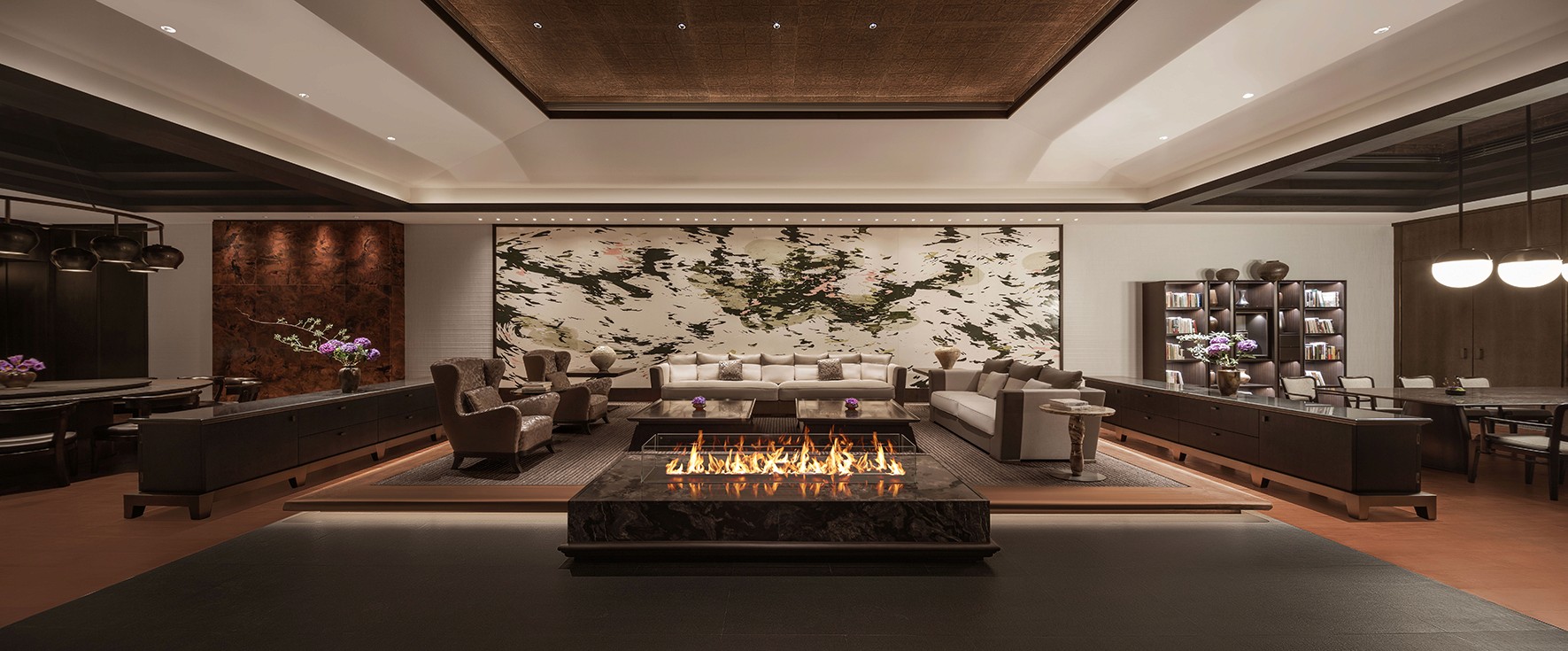
Culture
Apr 20, 2026
Luxury Across Markets: How Cultural Context Redefines the Meaning of Luxury
An analysis of how luxury is interpreted across China, Europe, and the United States, and why cultural context is essential for high-end design, procurement, and international market positioning.
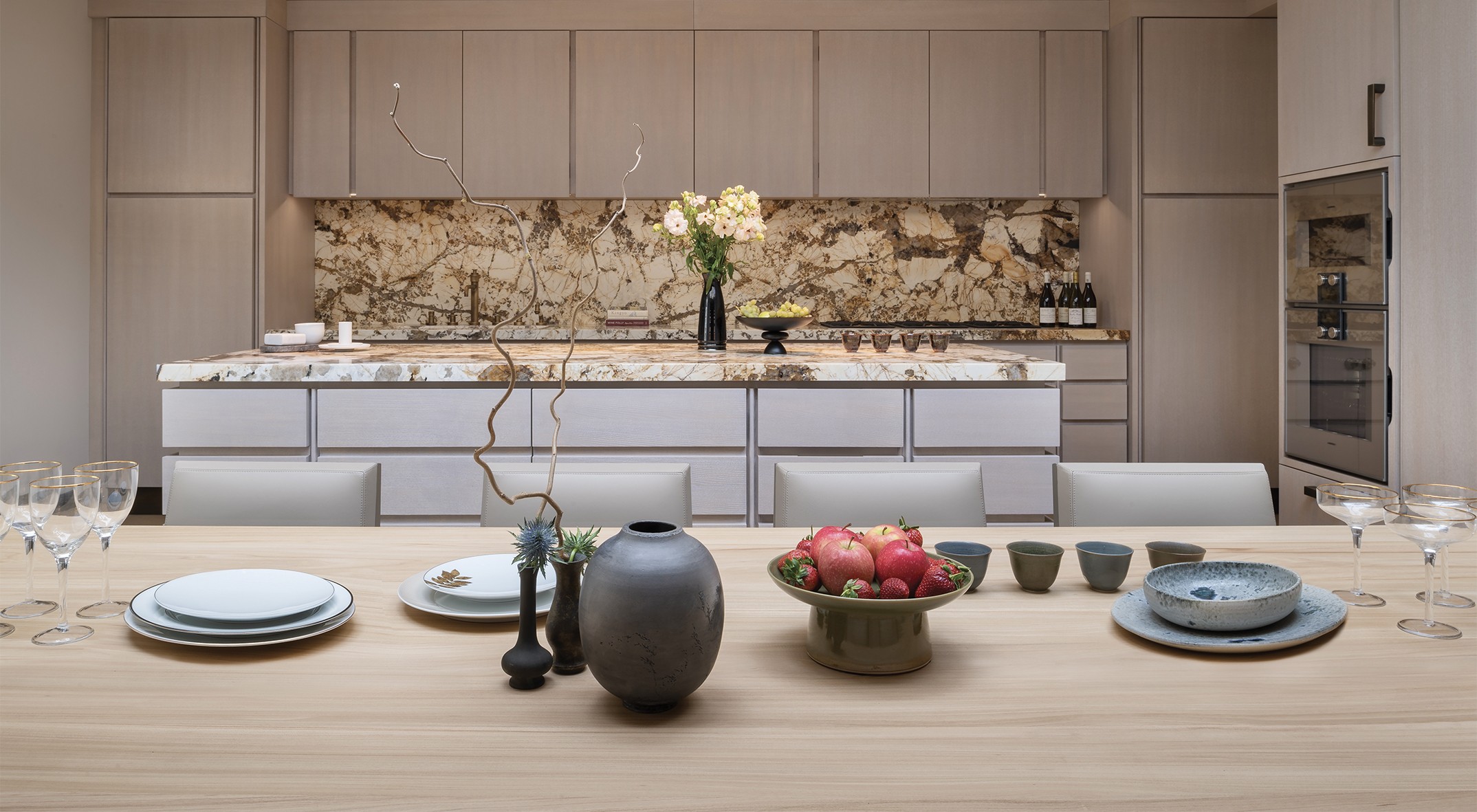
Design
Apr 19, 2026
Beyond the Visual: The Strategic Role of Scent in High-End Interior Design
An exploration of scent as a strategic design tool in high-end interiors, examining how olfactory elements shape identity, perception, and experience beyond the visual dimension.